
Back to Insights
Corporate Social Responsibility
by Wylie Rogers
Corporate Social Responsibility (CSR) is about understanding the broader impact a business has on the people, communities and environments around it — and taking responsibility for that impact. Business expectations have evolved. It is no longer enough to focus solely on shareholder value and financial performance.…
Corporate Social Responsibility - What is Corporate Social Responsibility (CSR)?
Corporate Social Responsibility (CSR) is about understanding the broader impact a business has on the people, communities and environments around it — and taking responsibility for that impact. Business expectations have evolved. It is no longer enough to focus solely on shareholder value and financial performance. In an age of greater transparency and scrutiny, businesses are increasingly expected to demonstrate how they operate, what impact they create and whether their approach is sustainable in the long term. This means building transparency, integrity and accountability into the way a business operates, while responding to growing expectations around Environmental, Social and Governance (ESG) performance. The question is no longer simply whether a business is profitable, but whether the way it creates value is sustainable.
What is the responsibility of business?
CSR can quickly become an overused term. At its core, however, it raises a simple question: What responsibility does a business have to the society and environment in which it operates? For decades, the primary expectation of business was straightforward: create value, generate profit and deliver returns to shareholders. That expectation has changed. Customers, employees, communities, investors and advocacy groups increasingly want to understand not only what a business does, but how it does it. They are asking whether a company creates positive or negative impacts for the people and environments around it. As these expectations grew, businesses moved beyond one-off philanthropic initiatives and began developing more strategic approaches to social and environmental responsibility. The most effective organizations now treat CSR as part of their broader business strategy — not simply as a communications or reputation exercise.
From CSR to ESG
As CSR became more strategic, businesses began developing ways to measure and evaluate their performance. Sustainability indices, benchmarks and reporting frameworks helped shift the conversation from what businesses say they are doing to the outcomes they are actually achieving. At the same time, investors began looking beyond traditional financial indicators to assess the long-term sustainability and resilience of businesses. This evolution has helped bring ESG, Environmental, Social and Governance, to the forefront. Today, ESG provides a more structured way of examining how a business operates, manages risk, creates impact and prepares for the future. What began as questions from communities and advocacy groups has evolved into a significant consideration for investors, customers, employees and other stakeholders.
Making CSR and ESG meaningful
For some organizations, sustainability can still become a broad term that is difficult to translate into meaningful action. We believe it starts with a much simpler question: What is my business, and how do I go about doing business? From there, the focus is on understanding the business model, identifying its social and environmental impacts, considering the expectations of different stakeholders and developing an approach that is both commercially practical and credible. There is no one-size-fits-all CSR or ESG strategy. The right approach depends on your business, your sector, your stakeholders and the environment in which you operate.
Turning strategy into action
At The Tantalus Group, we combine strategic thinking with practical experience to help organizations understand and strengthen their approach to CSR, ESG and sustainability. Our consultants have experience working across high-profile sectors including energy, aviation and consumer goods, helping organizations navigate complex stakeholder expectations and turn strategy into practical action. Our approach is built around:
- Understanding your business and its operating environment
- Identifying the issues and stakeholders that matter most
- Assessing potential social, environmental and governance impacts
- Developing a practical and credible strategy
- Creating an approach that can be implemented, measured and communicated
It all starts with simple questions, followed by a rigorous process. The goal is not simply to look sustainable. It is to build an approach that has integrity, creates meaningful outcomes and works for your business.
Ready to strengthen your CSR and ESG approach? Whether you are developing a CSR strategy, responding to growing ESG expectations or looking to embed sustainability more meaningfully into your business, we can help you determine the right approach. Let’s start with the questions that matter.

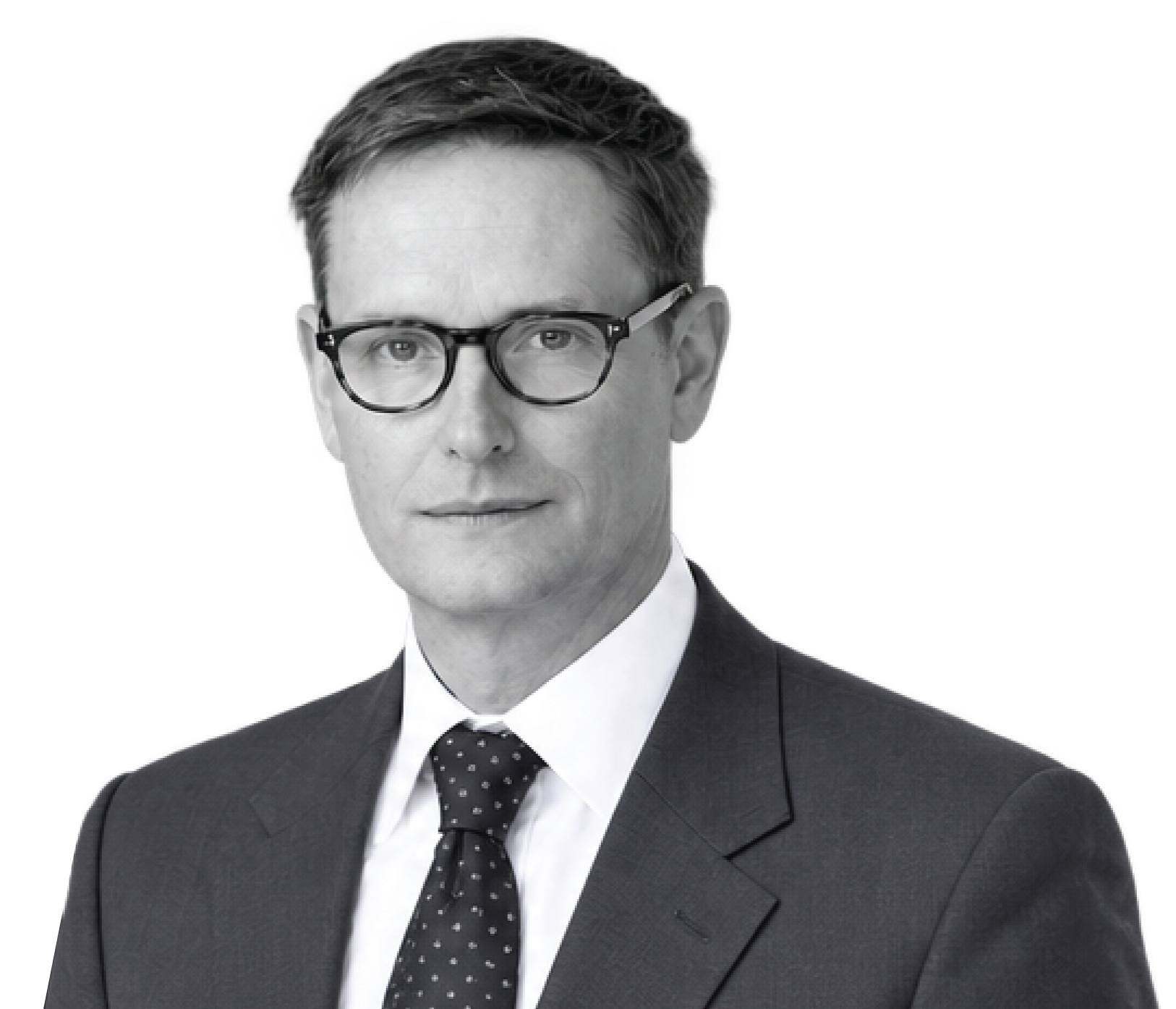
Wylie Rogers
CEO
Vancouver
Canada
,
Wylie Rogers has more than 25 years of experience in North America, Europe, the Middle East and Asia, having worked in politics, the media, business and management consulting.
View Full Profile
Wylie Rogers
Wylie Rogers has more than 25 years of experience in North America, Europe, the Middle East and Asia, having worked in politics, the media, business and management consulting. Wylie was previously the head of public affairs for BASF in Asia Pacific, a US$ 10 billion business, overseeing 15 countries in the region while based in Hong Kong. He also headed ABB Group’s corporate communications team in Beijing, China, a US$ 2 billion business, and had roles ranging from spokesman to speechwriter and head of copy for the ABB Group in Zurich, Switzerland, a US$ 30 billion business. Before moving abroad, Wylie worked as a reporter and speechwriter in Canada. Wylie attended INSEAD in France and Singapore for executive development and has a BA in English Literature with Honours. He did his post-graduate studies in journalism and has volunteered with the International Journalism Federation in Phnom Penh, Cambodia. As President of The Tantalus Group Wylie manages the global network of Tantalus management consultants.



FURTHER PERSPECTIVES
Similar to Corporate Social Responsibility.
Strategic Leadership
Strategic leadership is the ability to influence people and organizations toward decisions that support long-term success and financial sustainability. For leaders operating in increasingly complex environments, strategy cannot exist separately from culture, purpose and the broader society in which a business… ...
CONVERSATION
Every challenge starts with a question.
Contact Us
Let's explore what is possible.