
Back to Insights
Reputation Management
by Wylie Rogers
A company’s reputation is one of its most valuable assets, yet it is often treated as something separate from business performance. It isn’t. Based on experience across North America, Europe, Asia and the Middle East, and across industries including energy, aerospace, engineering, chemicals and finance, Wylie…
Reputation Management - The CEO as Chief Reputation Manager
A company's reputation is one of its most valuable assets, yet it is often treated as something separate from business performance. It isn't. Based on experience across North America, Europe, Asia and the Middle East, and across industries including energy, aerospace, engineering, chemicals and finance, Wylie Rogers identifies three fundamental responsibilities for leaders seeking to protect and strengthen corporate reputation:
1\. Deliver exceptional performance.
2\. Create the culture and behaviours required for sustained success.
3\. Communicate transparently with stakeholders, within legal and regulatory requirements.
The challenge is keeping these three elements in balance.
Reputation Is More Than Communications
Strong communications cannot compensate for poor performance or inappropriate behaviour. A company can have an excellent communications strategy, but if its products fail, its employees lose trust in leadership, or its executives behave in ways that conflict with the organization’s stated values, reputation will eventually suffer. Likewise, strong financial performance alone does not guarantee a strong reputation. Stakeholders increasingly judge organizations by the connection between what they say, do and deliver.
Three Dimensions of Reputation
Performance
Are the organization and its leadership delivering against their commitments?
Behaviour
Does the organization operate according to the values and standards it communicates?
Communication
Does leadership communicate clearly, consistently and transparently with employees, customers, investors, governments, media and other stakeholders?
The strongest reputations emerge when all three reinforce one another.
Reputation Has a Cultural Dimension
For organizations operating globally, reputation cannot be separated from culture. Leadership behaviours, expectations around communication, approaches to decision-making and relationships with stakeholders can vary significantly between markets. A strategy that works in one country may not translate directly into another. Understanding these cultural differences helps leaders anticipate how their decisions and communications may be interpreted by employees, customers, governments, investors and communities. This is particularly important for multinational organizations navigating different political, economic and social environments.
Reputation Management in Practice
Tantalus helps leaders and organizations assess the factors influencing reputation, identify potential vulnerabilities and develop strategies to strengthen trust with key stakeholders. This can include:
- Reputation assessment and monitoring
- Executive reputation management
- Stakeholder analysis
- Corporate narrative development
- Strategic communications
- Crisis and issues preparedness
- Cross-cultural communications
- Media and public affairs strategy

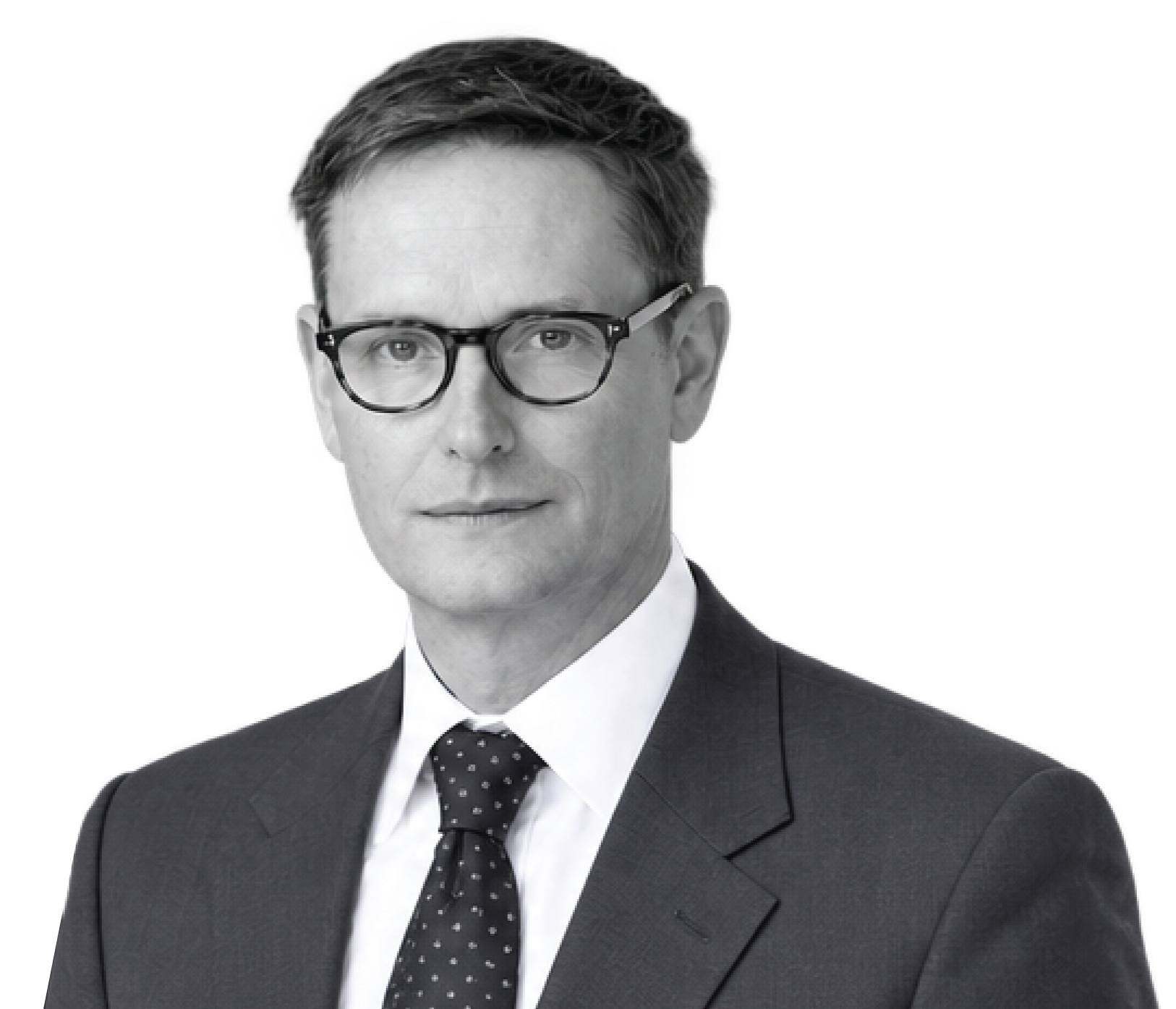
Wylie Rogers
CEO
Vancouver
Canada
,
Wylie Rogers has more than 25 years of experience in North America, Europe, the Middle East and Asia, having worked in politics, the media, business and management consulting.
View Full Profile
Wylie Rogers
Wylie Rogers has more than 25 years of experience in North America, Europe, the Middle East and Asia, having worked in politics, the media, business and management consulting. Wylie was previously the head of public affairs for BASF in Asia Pacific, a US$ 10 billion business, overseeing 15 countries in the region while based in Hong Kong. He also headed ABB Group’s corporate communications team in Beijing, China, a US$ 2 billion business, and had roles ranging from spokesman to speechwriter and head of copy for the ABB Group in Zurich, Switzerland, a US$ 30 billion business. Before moving abroad, Wylie worked as a reporter and speechwriter in Canada. Wylie attended INSEAD in France and Singapore for executive development and has a BA in English Literature with Honours. He did his post-graduate studies in journalism and has volunteered with the International Journalism Federation in Phnom Penh, Cambodia. As President of The Tantalus Group Wylie manages the global network of Tantalus management consultants.



FURTHER PERSPECTIVES
Similar to Reputation Management.
Influencer Relations
Influencer marketing is often associated with celebrities and social media personalities. But for organizations, some of the most valuable influencers are not celebrities at all. They are experts, industry leaders, analysts, academics, journalists and other trusted voices who shape conversations within their… ...
Brand Management
Brand management is no longer simply about positioning a company or shaping how customers perceive it. Today, organizations operate across increasingly diverse markets, cultures and generations, while digital platforms and global workforces continue to change how brands communicate and build relationships. Tantalus… ...
Management Consulting
As businesses become more complex, leaders are increasingly turning to management consultants for specialized expertise, independent perspective and practical support. At The Tantalus Group, our management consultants work alongside organizations to understand complex challenges, identify opportunities and develop… ...
CONVERSATION
Every challenge starts with a question.
Contact Us
Let's explore what is possible.