
Back to Insights
Cultural Storytelling
by Wylie Rogers
Cultural Storytelling takes a more reflective approach to telling that story — placing an organization, brand or institution within the broader context of history, culture, science, the arts and human experience. Rather than relying only on short-form content, social media or traditional marketing, Cultural…
Telling Your Story Through Culture, History & Experience - Every organization has a story.
Cultural Storytelling takes a more reflective approach to telling that story — placing an organization, brand or institution within the broader context of history, culture, science, the arts and human experience. Rather than relying only on short-form content, social media or traditional marketing, Cultural Storytelling creates a deeper experience that allows audiences to understand where an organization has come from, what it stands for and why its work matters. Inspired by the world's leading museum exhibitions, we bring together storytelling, research, design and visual experiences to create compelling ways for organizations to connect with their audiences.
Why Cultural Storytelling?
Organizations often tell their stories in fragments, a social post here, a campaign there, a video or press release when something happens. These moments are important, but they rarely capture the full story. Cultural Storytelling offers an opportunity to step back and look at an organization through a longer, more meaningful lens. An organization’s history, people, ideas, achievements and challenges can become the foundation for an experience that educates, inspires and creates a lasting connection with audiences. This can be particularly powerful for organizations operating across countries and cultures, where stories need to connect with people who speak different languages, come from different backgrounds and have different experiences. The goal is to turn an organization’s history and identity into an experience people can understand, remember and engage with.
From Brand Story to Cultural Experience
The best museum exhibitions do more than display objects. They tell intelligent, visually compelling stories. They bring together historical and contemporary objects, photography, film, technology, research and interpretation to create an experience around a central idea. We apply these same principles to organizational storytelling. A Cultural Storytelling project can help an organization:
- Explore and communicate its history and heritage
- Bring its mission and values to life
- Celebrate a milestone or major achievement
- Create a meaningful experience for customers and stakeholders
- Support diplomatic or relationship-building objectives
- Engage employees and communities
- Strengthen its identity and reputation
- Present its story to new audiences in innovative ways
The possibilities are broad because every organization’s story is different.
Purpose Comes First
Every successful storytelling experience begins with a clear purpose. We start by understanding who you are, what you stand for and what you want your audience to take away. From there, we look beyond corporate language and familiar marketing messages to identify the stories, themes and human experiences that can create a genuine connection. The strongest stories often reach beyond the organization itself, connecting its history and achievements to wider moments in culture, society, innovation or human experience. Content is the foundation. The experience is how that content comes to life.
Bringing the Story to Life
Cultural Storytelling can take many forms depending on the organization, its audience and its objectives.
- Physical Experiences–A permanent or temporary exhibition can create an immersive environment where visitors explore an organization’s story through objects, images, film, text and interactive elements. For organizations with important assets that cannot be moved, a guided or mobile experience can bring the story to audiences while preserving the original location and materials.
- Digital & Virtual Experiences–A story does not have to exist within a physical space. Virtual exhibitions can bring together assets from different locations and make an organization’s heritage accessible to audiences around the world. Digital experiences can also incorporate technologies such as augmented reality and interactive media to create new ways for audiences to explore and engage with the story.
- The Right Format for the Story–Whether physical, digital or a combination of both, the experience should always be accessible, intelligent and contemporary. The format should serve the story, not the other way around.
Our Approach
Every Cultural Storytelling project is bespoke. We begin with your organization’s mission, purpose and objectives, then work collaboratively to develop the creative concept and interpretive framework. Our process can include:
- Research & Discovery–Assessing your history, materials, archives and existing assets while working with your internal experts.
- Story & Content Development–Identifying the central themes, messages and stories that will form the foundation of the experience.
- Interpretive Planning–Developing a clear framework for how the story will be communicated to your audiences.
- Creative Expression–Exploring the right combination of physical, digital, visual and interactive formats to bring the story to life.
The level of engagement can be tailored to your needs, from an initial assessment and interpretive plan through to a more comprehensive storytelling strategy and content development process.
A Different Way to Tell Your Story
Cultural Storytelling sits at the intersection of branding, history, research, content and experience. It gives organizations an opportunity to move beyond conventional communications and create something that audiences can genuinely explore and remember. Whether you are marking a major milestone, engaging stakeholders, celebrating your heritage or looking for a new way to communicate your identity, we can help you uncover the story worth telling.

Wylie Rogers
CEO
Vancouver
Canada
,
Wylie Rogers has more than 25 years of experience in North America, Europe, the Middle East and Asia, having worked in politics, the media, business and management consulting.
View Full Profile
Wylie Rogers
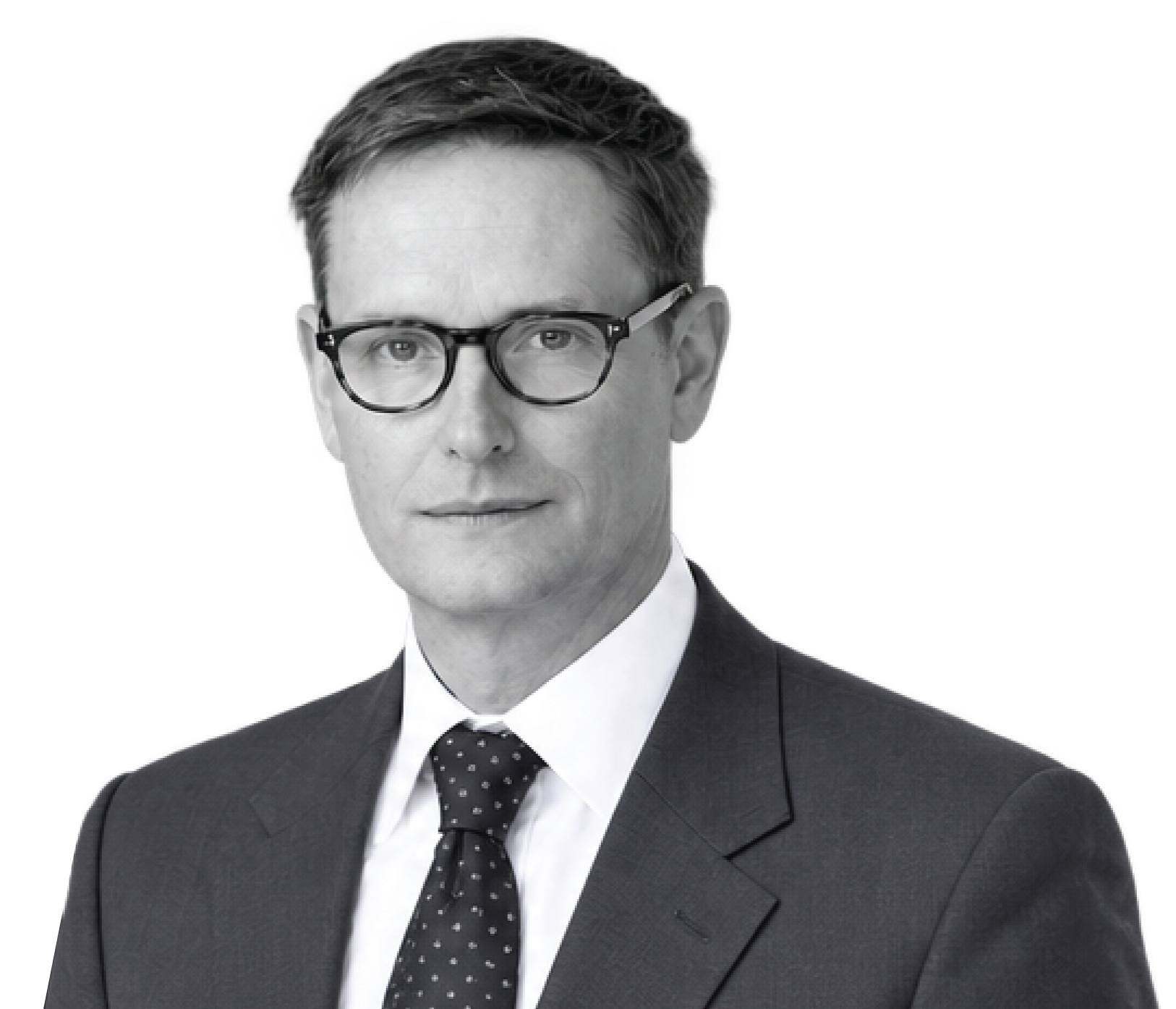
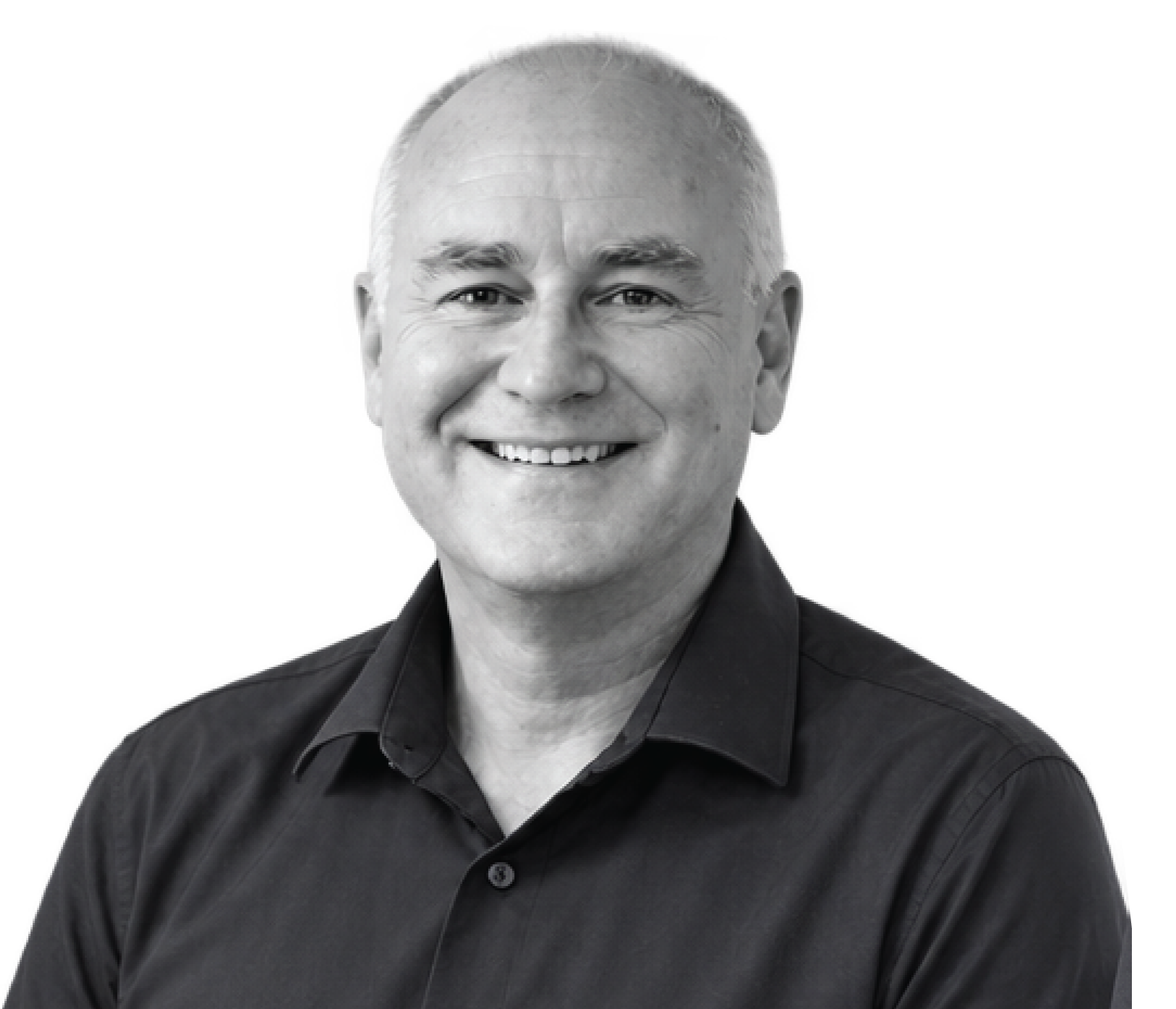
Wylie Rogers has more than 25 years of experience in North America, Europe, the Middle East and Asia, having worked in politics, the media, business and management consulting. Wylie was previously the head of public affairs for BASF in Asia Pacific, a US$ 10 billion business, overseeing 15 countries in the region while based in Hong Kong. He also headed ABB Group’s corporate communications team in Beijing, China, a US$ 2 billion business, and had roles ranging from spokesman to speechwriter and head of copy for the ABB Group in Zurich, Switzerland, a US$ 30 billion business. Before moving abroad, Wylie worked as a reporter and speechwriter in Canada. Wylie attended INSEAD in France and Singapore for executive development and has a BA in English Literature with Honours. He did his post-graduate studies in journalism and has volunteered with the International Journalism Federation in Phnom Penh, Cambodia. As President of The Tantalus Group Wylie manages the global network of Tantalus management consultants.


FURTHER PERSPECTIVES
Similar to Cultural Storytelling.
Digital Storytelling
In a global business environment, leaders need to communicate complex ideas across audiences, cultures and borders. ...
Media Relations
When the media spotlight shines and social media pounces, the stakes are high. The Tantalus Group’s media relations experts have prepared hundreds of global executives for a wide variety of media interview situations. These are human interactions that require strong emotional and cultural intelligence, as well as… ...
Influencer Relations
Influencer marketing is often associated with celebrities and social media personalities. But for organizations, some of the most valuable influencers are not celebrities at all. They are experts, industry leaders, analysts, academics, journalists and other trusted voices who shape conversations within their… ...
CONVERSATION
Every challenge starts with a question.
Contact Us
Let's explore what is possible.